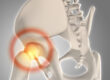

Osteopathic treatment considers the relationship between the musculoskeletal system, internal organs, nervous system and the body’s regulatory systems. These systems are constantly communicating with each other, and changes in one area can influence function elsewhere in the body. Alongside structural osteopathic treatment, I use visceral osteopathy and applied kinesiology to explore some of these wider relationships and build a more complete understanding of what may be contributing to a person’s symptoms.
The nervous and hormonal systems are particularly important in this relationship. The autonomic nervous system helps regulate functions such as digestion, circulation, breathing and the body’s response to stress, while the endocrine system influences metabolism, reproduction, growth, energy and many other aspects of health. These systems are closely connected, and prolonged pain, stress or physical dysfunction can affect how the body regulates itself.
Osteopathic treatment may influence these systems indirectly through its effects on the nervous system, breathing mechanics, circulation and the body’s response to physical stress. This is one of the reasons that treatment can sometimes have effects beyond the area being physically treated.
Visceral osteopathy looks at the relationship between the organs, their surrounding tissues, fascia, the diaphragm, spine and nervous system. The organs have both fascial and neurological connections with the musculoskeletal system, so tension or altered movement in one area can sometimes influence function elsewhere.
A good example is the diaphragm. The phrenic nerve supplies the diaphragm but also has connections with structures such as the liver and gallbladder. The vagus nerve also provides an important two way communication pathway between the brain and digestive system, helping regulate functions such as digestion and gut motility. These relationships work in both directions, so visceral function may influence areas such as the neck, while musculoskeletal tension and nervous system activity may also influence visceral function.
This can be particularly relevant with persistent back, rib, abdominal, pelvic or neck problems where a purely muscular or joint based approach does not fully explain the symptoms.
There is also an important neurological element to chronic pain. When pain has been present for a long time, the nervous system can become more sensitive and protective. The brain is constantly receiving information from the muscles and joints, but also from the organs and internal tissues. If this input remains heightened, it can contribute to increased sensitivity and make otherwise normal movement or pressure feel painful or uncomfortable. Visceral treatment gives me another way of working with these relationships and can be incorporated alongside conventional osteopathic techniques.
Mike Elford is one of our osteopaths who has trained in visceral osteopathy. To find out more how it can help you, you can book a free call with Mike to discuss any questions you may have, or an initial appointment on our booking page.